

July 10, 2026
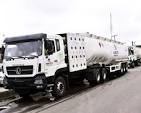
Dangote Fuel Truck

A report by Bloomberg on Friday, hinted that several African governments, most notably South Africa, have begun aggressive outreach to the 650,000-barrel-per-day facility of Dangote Petrochemicals. The refinery is seeing a significant surge in inquiries as traditional supply routes from the Middle East face unprecedented disruptions.

Dangote has rapidly transformed from a massive industrial project into a critical ‘fuel lifeline’ for nations scrambling to keep their economies moving.

As the geopolitical landscape shifts under the weight of the ongoing US-Israel war on Iran, the African continent is recalibrating its energy dependency.

For years, the global oil market was dictated by the bottom line. However, the current conflict has fundamentally altered the priorities of sovereign states. Energy security has now overtaken market rates as the primary driver for procurement.

“Right now, it is not about pricing; it’s about availability. I think the situation will continue for a while,” the Chairman of the Dangote Group, Aliko Dangote, stated in a recent interview with The Economist.

This sentiment is echoed across the continent. With the flow of refined products from the Middle East increasingly volatile, the proximity and capacity of the Lagos-based refinery offer a buffer that was previously non-existent.

South Africa, one of the continent’s largest energy consumers, is among the first to formally signal its intent to diversify its sources. The government is moving to mitigate the risks associated with instability in the Persian Gulf by looking toward West Africa.

“The government is actively coordinating with industry stakeholders to secure both crude oil and refined petroleum products from a diversified range of sources,” a spokesperson for the South African government told Bloomberg.

The urgency is palpable. Beyond South Africa, other African nations are reportedly “scrambling” to secure supply contracts that ensure their local markets remain stable despite the global turmoil.

“A comprehensive plan is in place to manage potential supply risks,” the South African government added, emphasising the gravity of the current energy climate.

“The government is actively coordinating with industry stakeholders to secure both crude oil and refined petroleum products from a diversified range of sources,” a spokesperson for the South African government told Bloomberg.

The urgency is palpable. Beyond South Africa, other African nations are reportedly “scrambling” to secure supply contracts that ensure their local markets remain stable despite the global turmoil.

“A comprehensive plan is in place to manage potential supply risks,” the South African government added, emphasising the gravity of the current energy climate.

The rise of the Dangote Refinery as a regional hub marks a turning point for Africa. By providing a domestic alternative to Middle Eastern imports, the facility is enabling the continent to decouple its energy security from distant conflicts, ensuring that when the world’s traditional taps are turned off, Africa’s engines can still run.

The Dangote refinery has also served as a major fuel supply lifeline for Nigeria, shielding the country from the external shocks caused by the Middle East crisis. However, the pump prices of refined products have been high.

Since the refinery commenced operations, the recurrent fuel scarcity that characterised the downstream arm of the country’s oil sector eventually vanished, as the Lekki-based $21bn plant has continued to supply petrol, diesel, aviation fuel, among others, to keep the country wet.

Jide Ajia

Jide, a seasoned journalist with over 12-year experience, reports business-related stories



108 thoughts on “

  1. Hi there to all, for the reason that I am genuinely keen of reading this website’s post to be updated on a regular basis. It carries pleasant stuff.

  2. naturally like your web site however you need to take a look at the spelling on several of your posts. A number of them are rife with spelling problems and I find it very bothersome to tell the truth on the other hand I will surely come again again.

  3. I’m often to blogging and i really appreciate your content. The article has actually peaks my interest. I’m going to bookmark your web site and maintain checking for brand spanking new information.

  4. Harika bir paylaşım, özellikle konunun önemli detayları oldukça net bir şekilde açıklanmış. İnsanları çeşitli karmaşık anahtar kelimelerle yormak yerine, okumaktan keyif alacağı içerikler her zaman daha iyidir. Kaliteli paylaşım adına teşekkür eder, paylaşımlarınızın devamını sabırsızlıkla beklerim.

  5. Great insights on traffic strategies! I’ve been testing different ways to get consistent website traffic without ads, and recently discovered Articles.Guru — it’s actually helping with real user engagement instead of just numbers.

  6. Interesting read! Understanding the odds is key, and a secure platform matters. Just checked out fanduel login – their verification process seems solid, which is reassuring for any online gaming experience. Good insights here!

  7. This is a really insightful piece! The focus on energy security over pricing is a crucial point that I hadn’t fully considered. Dangote’s refinery emerging as a “fuel lifeline” is a powerful image, and the shift in South Africa’s procurement strategy is a telling example of how geopolitical events are reshaping energy dynamics in Africa. The quote from Aliko Dangote perfectly encapsulates the current situation. I’m eager to see how this unfolds and what long-term impacts it will have on the continent’s energy independence.

  8. This is a fascinating analysis of the geopolitical shifts and their impact on African energy security. Dangote’s refinery emerging as a critical lifeline due to Middle East disruptions is a significant development. The shift from price-driven procurement to prioritizing availability underscores the urgency of the situation. South Africa’s diversification strategy is a smart move, and it will be interesting to see how other African nations respond. Aliko Dangote’s comment on availability over pricing perfectly encapsulates the current reality. A very insightful piece!

  9. This is a really insightful piece. The shift towards prioritizing energy security over price is a crucial point. Dangote’s refinery becoming a ‘fuel lifeline’ is a game-changer for Africa, given the current geopolitical climate. It’s fascinating to see how the US-Israel war on Iran is reshaping energy dependencies and forcing countries like South Africa to explore alternative supply routes. Aliko Dangote’s quote perfectly captures the sentiment of the moment – availability is king.

  10. This is a really insightful piece. The shift from price-driven to security-driven energy procurement is a critical point. Dangote’s refinery emerging as a ‘fuel lifeline’ due to geopolitical instability is both fascinating and concerning. It highlights the vulnerability of global supply chains and the importance of regional energy solutions. The quote from Aliko Dangote perfectly captures the current sentiment. Definitely a must-read for anyone following energy trends in Africa.

  11. The observation about Dangote Petrochemicals becoming a crucial “fuel lifeline” for African nations due to Middle Eastern supply disruptions is particularly striking. It highlights how quickly geopolitical events can reshape global trade dependencies. I found a similar perspective on how localized services can rise to prominence during times of larger systemic change, like how mobile detailing near me can offer convenience when larger service centers face disruptions. It makes you wonder what other industries might see similar shifts in importance as global dynamics evolve.

  12. The Bloomberg report about African governments turning to the Dangote refinery is fascinating, especially how quickly it’s shifted from a large industrial project to a vital energy source. It really underscores how fragile global supply chains can be when geopolitical events create disruptions. It makes me wonder about the long-term implications for energy independence on the continent. I found a similar perspective on OrbitDash that complements this well, discussing how localized production can buffer against international shocks. It’s a stark reminder of how interconnected everything is, and how quickly situations can change.

  13. It’s fascinating how quickly a large industrial project like Dangote Petrochemicals can pivot to become such a crucial resource. The article’s point about traditional supply routes from the Middle East being disrupted really highlights the fragility of global logistics. I’ve seen similar complexities arise when trying to preserve historical records; it’s amazing how dependent we are on stable systems. In that vein, I recently learned about companies focusing on Old Photo Restoration, which struck me as another example of how vital it is to have reliable ways to access and maintain important resources, even if they’re much more personal than oil supplies. The situation in Africa, with governments actively seeking out this refinery, is a stark illustration of that need for dependable access.

  14. That’s a fascinating pivot for Dangote – going from a huge industrial project to essentially a strategic fuel lifeline for African nations! It really highlights how quickly global supply chains can be rerouted when traditional routes get disrupted, especially with ongoing geopolitical tensions. It makes you wonder what other industries might find similar unexpected roles as the world map of resources keeps shifting. It reminds me a bit of how unexpected resources can become critical in other areas too. I’ve been looking at how different types of “resources” can be managed efficiently to get the best outcomes, like in the world of gaming where understanding your “plant” and “brainrot” database (yes, really!) can make all the difference in strategy. You can find some interesting breakdowns on that at Plants vs Brainrots Hub. It’s a different kind of supply chain, but the principle of adapting to availability and strategic advantage feels similar.

  15. It’s fascinating to see how quickly Dangote Petrochemicals has become such a crucial player in the global energy market, especially with the disruptions highlighted. The article’s point about traditional supply routes from the Middle East facing unprecedented issues really underscores the strategic importance of this African facility. It makes you wonder about the long-term implications for energy security on the continent. I’ve been following related trends in resource management, and I found a similar perspective on Blox Fruits Trading that complements this well, discussing how vital localized production can be in volatile times. The shift in focus to African resources is definitely a significant development to watch.

  16. The Bloomberg report highlighting African governments’ interest in the Dangote refinery really underscores how quickly global supply chains can shift. It’s fascinating to see how a single, massive industrial project can become so strategically important, especially when traditional routes are disrupted. This reliance on new hubs reminds me of how localized services are becoming more critical too; for instance, finding reliable mobile detailing near me has become much easier with platforms that streamline the process, similar to how nations are now looking to Dangote. I wonder how sustainable this pivot will be for South Africa and other nations in the long run, or if it’s a temporary fix.

  17. It’s fascinating how quickly supply chain dynamics can shift, especially with the disruptions mentioned. Seeing the Dangote refinery step up as a “fuel lifeline” for African nations really highlights the ripple effects of global events. It makes you think about how different industries and regions are interconnected, and how quickly new players can become essential.

    This reminds me a bit of how new resources and communities pop up to support players in complex online games, like helping them navigate and optimize their experience. If you’re ever looking for quick, verified info on things like that, I’ve found abyssroblox.codes to be pretty handy for tracking updates and understanding game mechanics.

  18. It’s fascinating how events in one region can so dramatically impact supply chains and create new opportunities elsewhere. The Bloomberg report about African governments, particularly South Africa, turning to the Dangote refinery due to Middle Eastern supply disruptions really highlights this domino effect. It’s a stark reminder that economic stability can hinge on such unexpected shifts. It makes me think about how important it is to have diverse sourcing and contingency plans, much like how I approach design planning for tattoos. Seeing a concept clearly before committing is key, and I found a similar perspective on managing unforeseen changes in material sourcing on RedoInk that complements this well; sometimes you need to visualize alternatives to navigate disruptions.

  19. The article’s point about Dangote Petrochemicals becoming a “fuel lifeline” due to Middle East supply disruptions is fascinating. It really highlights how quickly geopolitical events can reshape global trade dynamics. I’ve personally seen how crucial reliable energy sources are, and for many African nations, these disruptions could be a major economic challenge. It’s interesting to consider how this might spur further investment in domestic refining capacity across the continent. I found a similar perspective on the growing importance of localized production on RedoInk that complements this well, focusing on how self-sufficiency can build resilience in various sectors. South Africa’s proactive outreach is a clear indicator of the urgency.

  20. It’s fascinating how quickly geopolitical shifts can create entirely new economic linchpins. I hadn’t considered how a major industrial project like the Dangote refinery could become such a critical “fuel lifeline” for entire continents. It really highlights how interconnected global supply chains are, and how disruptions in one area can create unexpected opportunities or necessities elsewhere. It reminds me a bit of how quickly new technologies can emerge to fill gaps. I was just playing around with this AI Image Extender tool the other day, and it’s amazing how it can take existing images and “outpaint” them to fit new formats or expand on the original concept. Kind of like how this refinery is expanding its role beyond its initial intentions.

Leave a Reply

Your email address will not be published. Required fields are marked *