

By Lawrence Akpan
As Nigeria marks the sombre ritual of Armed Forces Remembrance Day, a broad-based civic and intellectual organization, “Forum for National Restoration” has called for a deliberate, honest, and nationally owned process of reconciliation and restoration as a moral and historical restitution for the unresolved wounds of Nigeria’s January 15, 1966 military coup and its far-reaching consequences.
At an enlightenment and planning summit convened in Abuja by the forum recently, the Movement examined the 1966 coup as a defining rupture in Nigeria’s post-independence journey and one whose violent disruptions, premeditated and ethnically tilted killings set in motion cycles of mistrust, counter-violence, and enduring grievances that continue to shape the nation’s politics and inter-communal relations.
Participants at the event noted that the coup represented a fatal departure from constitutional order barely six years after independence. “While presented by its plotters as a corrective intervention, the coup’s execution marked by the assassination of senior political leaders and military officers, created a perception of ethnic selectivity that fractured national cohesion and delegitimised the state in the eyes of many citizens” the forum observed in a statement.
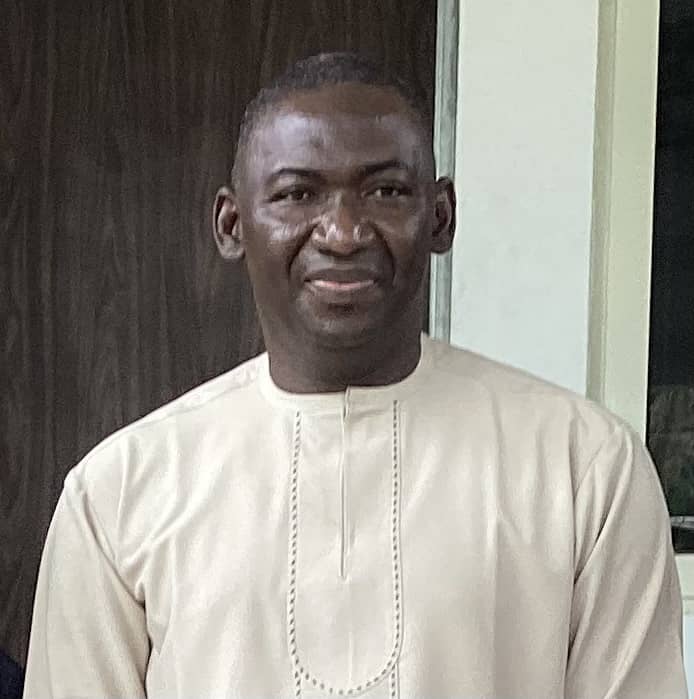
In his presentation during the enlightenment, Dr. Dominic Nnaemeka, Okechukwu, an Abuja based medical practitioner and Group Medical Director, observed that the coup’s aftermath deepened divisions rather than resolved governance failures. Explaining further, he said that the counter-coup of July 1966, the mass killings that followed in different parts of the country, and the descent into the Nigerian Civil War entrenched a legacy of bloodshed, displacement, and trauma.
He stressed that those events, did not merely claim lives; but reconfigured trust, hardened identities, and normalised violence as a pathway to power.
According to him, the long shadow of 1966 has manifested in persistent agitation, feelings of exclusion, and recurring demands for justice, equity, and recognition across regions, noting that the failure to confront the truth of those events, through an inclusive national reckoning has allowed grievances to fester, feeding cycles of suspicion and political brinkmanship.
In his response to audience enquiries during the event, Air Vice Marshal John Chris Ifemeje (rtd) emphasized that the aim of the forum is not to reopen old wounds but to heal them by naming the past (truth-telling) honestly and honoring the dead without bias, and reaffirming a shared national ethic that rejects violence and collective blame.
Proposed pathways forward, according to the communiqué issued at the end of the enlightenment and planning meetings are that, participants unanimously agreed that Nigeria’s lingering divisions rooted in the pain, grievances, and misinformation surrounding the 1966 coup and its aftermath must be deliberately and objectively addressed in the national interest.
To this end, they resolved to establish a National Reconciliation and Restoration Committee, operating as a collective body with specialised subcommittees, to plan and implement a two-stage National Truth and Reconciliation Conference: the first to objectively verify and establish the truth based on verifiable facts, constitutional standards, and international best practices, and the second to foster public forgiveness, reconciliation, and national healing led by elders and leaders from across the country. The process will be guided by strict principles of objectivity, respect for human dignity, religious and ethnic sensitivity, non-partisanship, and selfless service, with the media used solely for public information. Participants rejected military intervention in governance, affirmed respect for judicial processes and lawful redress, and condemned self-help and anarchy.
The communiqué further outlined plans for nationwide peace visits, press briefings, and the publication of research materials, while calling for broad public participation and the active support of government agencies, with the long-term goal of applying this reconciliation model to other divisive national issues.;


Thi is a great article no doubt about it, i just started following you and i enjoy reading this piece. Do you post often ? we have similar post on the german best freelancer platform called https://webdesignfreelancerdeutschland.de/ you can check it out if you want. Thank you
Thi is a great article no doubt about it, i just started following you and i enjoy reading this piece. Do you post often ? we have similar post on the german best freelancer platform called https://webdesignfreelancerdeutschland.de/ you can check it out if you want. Thank you
becem travel | Kıbrıs araç transfer Kıbrıs araç kiralama , Kıbrıs vip araç , Kıbrıs araç transfer , Kıbrıs güvenli ulaşım
Thi is a great article no doubt about it, i just started following you and i enjoy reading this piece. Do you post often ? we have similar post on the german best freelancer platform called https://webdesignfreelancerdeutschland.de/ you can check it out if you want. Thank you
For the reason that the admin of this site is working, no uncertainty very quickly it will be renowned, due to its quality contents.
Thi is a great article no doubt about it, i just started following you and i enjoy reading this piece. Do you post often ? we have similar post on the german best freelancer platform called https://webdesignfreelancerdeutschland.de/ you can check it out if you want. Thank you
I appreciate that you included both benefits and potential risks.
dxd global | Marka yönetimi Kıbrıs , sosyal medya yönetimi, promosyon ürünleri, Seslendirme Hizmeti , SEO , Dijital pazarlama , Videografi
Teknoloji Kıbrıs Teknoloji Kıbrıs, Kıbrıs teknoloji, teknolojikibris, elektronik eşyalar, Kıbrıs ucuz ev eşyası, teknolojik aksesuar kıbrıs
This is one of the best articles on the topic I’ve seen recently.
Mining Rig Case Recommendations for Multi-GPU https://dropeth.pythonanywhere.com
This is my first time pay a quick visit at here and i am really happy to read everthing at one place
Pretty! This has been a really wonderful post. Many thanks for providing these details.https://heosexhay.net/
Dxd Global | Development dxd global, global dxd, deluxe bilisim, deluxe global, IT solutions, web developer, worpress global, wordpress setup
Thi is a great article no doubt about it, i just started following you and i enjoy reading this piece. Do you post often ? we have similar post on the german best freelancer platform called https://webdesignfreelancerdeutschland.de/ you can check it out if you want. Thank you
This post is a great starting point for anyone new to the subject.
This is a well-considered reflection that outlines key ideas with precision and professional polish.
Thi is a great article no doubt about it, i just started following you and i enjoy reading this piece. Do you post often ? we have similar post on the german best freelancer platform called https://webdesignfreelancerdeutschland.de/ you can check it out if you want. Thank you
Thi is a great article no doubt about it, i just started following you and i enjoy reading this piece. Do you post often ? we have similar post on the german best freelancer platform called https://webdesignfreelancerdeutschland.de/ you can check it out if you want. Thank you
Thi is a great article no doubt about it, i just started following you and i enjoy reading this piece. Do you post often ? we have similar post on the german best freelancer platform called https://webdesignfreelancerdeutschland.de/ you can check it out if you want. Thank you
Thi is a great article no doubt about it, i just started following you and i enjoy reading this piece. Do you post often ? we have similar post on the german best freelancer platform called https://webdesignfreelancerdeutschland.de/ you can check it out if you want. Thank you
i enjoy reading this great article, i have shared it many times on my website and started following you, Do you post more often ?? i am the owner of https://webdesignagenturbayreuth.de/ a webdesign agency in bayreuth Germany, webdesign agentur bayreuth, you can link up if you are interested. Thank you
Thi is a great article no doubt about it, i just started following you and i enjoy reading this piece. Do you post often ? we have similar post on the german best freelancer platform called https://webdesignfreelancerdeutschland.de/ you can check it out if you want. Thank you
i enjoy reading this great article, i have shared it many times on my website and started following you, Do you post more often ?? i am the owner of https://webdesignagenturbayreuth.de/ a webdesign agency in bayreuth Germany, webdesign agentur bayreuth, you can link up if you are interested. Thank you
Thi is a great article no doubt about it, i just started following you and i enjoy reading this piece. Do you post often ? we have similar post on the german best freelancer platform called https://webdesignfreelancerdeutschland.de/ you can check it out if you want. Thank you
Thi is a great article no doubt about it, i just started following you and i enjoy reading this piece. Do you post often ? we have similar post on the german best freelancer platform called https://webdesignfreelancerdeutschland.de/ you can check it out if you want. Thank you
Thi is a great article no doubt about it, i just started following you and i enjoy reading this piece. Do you post often ? we have similar post on the german best freelancer platform called https://webdesignfreelancerdeutschland.de/ you can check it out if you want. Thank you
Thi is a great article no doubt about it, i just started following you and i enjoy reading this piece. Do you post often ? we have similar post on the german best freelancer platform called https://webdesignfreelancerdeutschland.de/ you can check it out if you want. Thank you
Thi is a great article no doubt about it, i just started following you and i enjoy reading this piece. Do you post often ? we have similar post on the german best freelancer platform called https://webdesignfreelancerdeutschland.de/ you can check it out if you want. Thank you
Thi is a great article no doubt about it, i just started following you and i enjoy reading this piece. Do you post often ? we have similar post on the german best freelancer platform called https://webdesignfreelancerdeutschland.de/ you can check it out if you want. Thank you
Thi is a great article no doubt about it, i just started following you and i enjoy reading this piece. Do you post often ? we have similar post on the german best freelancer platform called https://webdesignfreelancerdeutschland.de/ you can check it out if you want. Thank you
Thi is a great article no doubt about it, i just started following you and i enjoy reading this piece. Do you post often ? we have similar post on the german best freelancer platform called https://webdesignfreelancerdeutschland.de/ you can check it out if you want. Thank you
Thi is a great article no doubt about it, i just started following you and i enjoy reading this piece. Do you post often ? we have similar post on the german best freelancer platform called https://webdesignfreelancerdeutschland.de/ you can check it out if you want. Thank you
Thi is a great article no doubt about it, i just started following you and i enjoy reading this piece. Do you post often ? we have similar post on the german best freelancer platform called https://webdesignfreelancerdeutschland.de/ you can check it out if you want. Thank you
Thi is a great article no doubt about it, i just started following you and i enjoy reading this piece. Do you post often ? we have similar post on the german best freelancer platform called https://webdesignfreelancerdeutschland.de/ you can check it out if you want. Thank you
Thi is a great article no doubt about it, i just started following you and i enjoy reading this piece. Do you post often ? we have similar post on the german best freelancer platform called https://webdesignfreelancerdeutschland.de/ you can check it out if you want. Thank you
Understanding baccarat patterns is key, but a solid platform matters too! I’ve been checking out nurstar login online casino – seamless deposits with GCash & quick support are a huge plus for consistent play. Definitely worth a look!
Thi is a great article no doubt about it, i just started following you and i enjoy reading this piece. Do you post often ? we have similar post on the german best freelancer platform called https://webdesignfreelancerdeutschland.de/ you can check it out if you want. Thank you
Thi is a great article no doubt about it, i just started following you and i enjoy reading this piece. Do you post often ? we have similar post on the german best freelancer platform called https://webdesignfreelancerdeutschland.de/ you can check it out if you want. Thank you
Thi is a great article no doubt about it, i just started following you and i enjoy reading this piece. Do you post often ? we have similar post on the german best freelancer platform called https://webdesignfreelancerdeutschland.de/ you can check it out if you want. Thank you
Thi is a great article no doubt about it, i just started following you and i enjoy reading this piece. Do you post often ? we have similar post on the german best freelancer platform called https://webdesignfreelancerdeutschland.de/ you can check it out if you want. Thank you
nangcuc sex đúng chuẩn gu của mình, vừa mạnh bạo vừa có chiều sâu
https://askoff.ru
It¦s actually a great and helpful piece of information. I am happy that you just shared this useful information with us. Please keep us informed like this. Thank you for sharing.
emc vnx family https://otvetnow.ru femto-lasik
free antivirus software for windows server 2003 https://otvetnow.ru yucca telecom start page
https://askoff.ru
https://asklong.ru
https://qtjpqhtfcs.wordpress.com
https://qtjpqhtfcs.wordpress.com
https://iagperjusu.wordpress.com
https://iagperjusu.wordpress.com
https://dwspqdxcgw.wordpress.com
https://xrsaugpsya.wordpress.com
https://gxvkxeawwa.wordpress.com
https://azacgxicis.wordpress.com
https://zfcejfyxiv.wordpress.com
https://cxadxqpked.wordpress.com
https://akiwdiycje.wordpress.com
https://iqakruyprf.wordpress.com
https://dgaiyziytk.wordpress.com
https://wryxvrrhxe.wordpress.com
https://thfdcufqah.wordpress.com
https://thfdcufqah.wordpress.com
https://jtgcuqvaay.wordpress.com
https://jtgcuqvaay.wordpress.com
https://ugqawktzhq.wordpress.com
https://hasydhpvfy.wordpress.com
https://hasydhpvfy.wordpress.com
https://ueaypwvzuu.wordpress.com
https://vzwsksgvux.wordpress.com
https://sqeehscytd.wordpress.com
https://sqeehscytd.wordpress.com
https://kustcdxijq.wordpress.com
https://kustcdxijq.wordpress.com
https://yajxkakytu.wordpress.com
https://giidetrszs.wordpress.com
https://giidetrszs.wordpress.com
https://svyuirxpae.wordpress.com
https://svyuirxpae.wordpress.com
https://xsvpzkiyje.wordpress.com
https://rjiurxiwgv.wordpress.com
https://rjiurxiwgv.wordpress.com
https://gszvkhzgci.wordpress.com
https://gszvkhzgci.wordpress.com
https://uawujitxay.wordpress.com
https://uawujitxay.wordpress.com
https://uawujitxay.wordpress.com
https://kpxrhsvrar.wordpress.com
https://kpxrhsvrar.wordpress.com
https://kpxrhsvrar.wordpress.com
https://htriehhxdy.wordpress.com
https://htriehhxdy.wordpress.com
https://zgppvridtq.wordpress.com
https://zgppvridtq.wordpress.com
https://zzudvpusyw.wordpress.com
https://zzudvpusyw.wordpress.com
https://lyagcpfwpq.wordpress.com
https://lyagcpfwpq.wordpress.com
https://vfcszfpzcb.wordpress.com
https://vfcszfpzcb.wordpress.com
https://vfcszfpzcb.wordpress.com
https://ijpsgtibdd.wordpress.com
https://ijpsgtibdd.wordpress.com
https://bbudktdhdo.wordpress.com
https://tqjhrbjrzv.wordpress.com
https://tqjhrbjrzv.wordpress.com
https://txxbdjbcir.wordpress.com
https://txxbdjbcir.wordpress.com
https://ckbsqizjpk.wordpress.com
https://ckbsqizjpk.wordpress.com
https://ckbsqizjpk.wordpress.com
https://olyfufoizv.wordpress.com
https://mjejtbdecc.wordpress.com
https://mjejtbdecc.wordpress.com
https://snduazsogv.wordpress.com
https://snduazsogv.wordpress.com
https://yjcftkejiq.wordpress.com
https://yjcftkejiq.wordpress.com
https://yjcftkejiq.wordpress.com
https://yrzssotfpy.wordpress.com
https://xhlvpqtyim.wordpress.com
https://stmwxxciro.wordpress.com
https://qpsldsrdaj.wordpress.com
https://qpsldsrdaj.wordpress.com
https://cgcnzgfmws.wordpress.com
https://ivityniavo.wordpress.com
https://ivityniavo.wordpress.com
https://wncaclkked.wordpress.com
https://wncaclkked.wordpress.com
https://tpmtulmcmk.wordpress.com
https://tpmtulmcmk.wordpress.com
https://tpmtulmcmk.wordpress.com
https://mqhqxisngl.wordpress.com
https://mqhqxisngl.wordpress.com
https://mqhqxisngl.wordpress.com
https://vrxuhoyhpk.wordpress.com
https://reowucgwsa.wordpress.com
https://jdutyrirge.wordpress.com
https://jdutyrirge.wordpress.com
https://apfkycjgfb.wordpress.com
https://apfkycjgfb.wordpress.com
https://ficcpnhwqv.wordpress.com
https://ficcpnhwqv.wordpress.com
https://hbclmjyygw.wordpress.com
https://hbclmjyygw.wordpress.com
https://tdxxfrobpl.wordpress.com
https://tdxxfrobpl.wordpress.com
https://haaitoytgz.wordpress.com
https://haaitoytgz.wordpress.com
https://pufffrrowy.wordpress.com
https://pufffrrowy.wordpress.com
https://pufffrrowy.wordpress.com
https://omvrwwxyfa.wordpress.com
https://rdlzkogihn.wordpress.com
https://rdlzkogihn.wordpress.com
https://hhogywcqll.wordpress.com
https://rgacxuozvk.wordpress.com
https://rgacxuozvk.wordpress.com
https://pmvneyjzqi.wordpress.com
https://pmvneyjzqi.wordpress.com
https://pmvneyjzqi.wordpress.com
https://xvljlrujrr.wordpress.com
https://xvljlrujrr.wordpress.com
https://lxlqgvngsw.wordpress.com
https://lxlqgvngsw.wordpress.com
https://lquqmdmysv.wordpress.com
https://lquqmdmysv.wordpress.com
https://lquqmdmysv.wordpress.com
https://akxdpyyrgw.wordpress.com
https://akxdpyyrgw.wordpress.com
https://slgtnloguc.wordpress.com
https://slgtnloguc.wordpress.com
https://slgtnloguc.wordpress.com
https://fdliubejrd.wordpress.com
https://fdliubejrd.wordpress.com
https://vwknbtbavk.wordpress.com
https://vwknbtbavk.wordpress.com
https://gjslqfcuna.wordpress.com
https://gjslqfcuna.wordpress.com
https://iartkjcyht.wordpress.com
https://iartkjcyht.wordpress.com
https://sjebkvanwa.wordpress.com
https://sjebkvanwa.wordpress.com
https://nyqbxvsrvz.wordpress.com
https://wkfgslyxlw.wordpress.com
https://wkfgslyxlw.wordpress.com
https://rzkqdnsswy.wordpress.com
https://rzkqdnsswy.wordpress.com
https://rzkqdnsswy.wordpress.com
https://olqfcfpfud.wordpress.com
https://olqfcfpfud.wordpress.com
https://yrpolfqizg.wordpress.com
https://zgzpzpcqfh.wordpress.com
https://zgzpzpcqfh.wordpress.com
https://zgzpzpcqfh.wordpress.com
https://ughaavseby.wordpress.com
https://zfrvblsswy.wordpress.com
https://zfrvblsswy.wordpress.com
https://zfrvblsswy.wordpress.com
https://nkxutnlyla.wordpress.com
https://ksemfakmni.wordpress.com
https://ksemfakmni.wordpress.com
https://qfcojxkwdf.wordpress.com
https://qfcojxkwdf.wordpress.com
https://rujnwebqhm.wordpress.com
https://rujnwebqhm.wordpress.com
https://fanvuqkaud.wordpress.com
https://fanvuqkaud.wordpress.com
https://rqiemzolae.wordpress.com
https://rqiemzolae.wordpress.com
https://ecbsmgtfya.wordpress.com
https://spplbzdsvh.wordpress.com
https://spplbzdsvh.wordpress.com
https://sgvxqmbkaf.wordpress.com
https://annytarshw.wordpress.com
https://annytarshw.wordpress.com
https://jllbczbfhi.wordpress.com
https://jllbczbfhi.wordpress.com
https://mxxpjxvlwe.wordpress.com
https://mxxpjxvlwe.wordpress.com
https://tzvpbpffwr.wordpress.com
https://tzvpbpffwr.wordpress.com
https://rzyagpqmfu.wordpress.com
https://rzyagpqmfu.wordpress.com
https://hdvbdoihfh.wordpress.com
https://hdvbdoihfh.wordpress.com
https://tkygkspzem.wordpress.com
https://tkygkspzem.wordpress.com
https://tkygkspzem.wordpress.com
https://wukuelmgsn.wordpress.com
https://wukuelmgsn.wordpress.com
https://fszzejcvcq.wordpress.com
https://fszzejcvcq.wordpress.com
https://fszzejcvcq.wordpress.com
https://iwknguzraa.wordpress.com
https://iwknguzraa.wordpress.com