

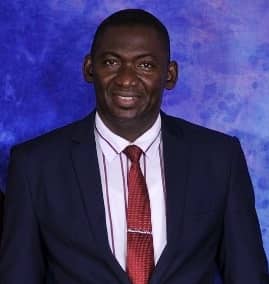
In the aftermath of Nigeria’s deeply polarising 2023 general elections, questions of national unity, unresolved historical grievances, and persistent ethnic mistrust have resurfaced with renewed urgency. Against this backdrop, Dr. Dominic Nnaemeka, Okechukwu, an Abuja based medical practitioner and group Medical Director of his health facility. He is the Convener of the Forum for National Restoration (FNR) and National Reconciliation and Restoration Movement (NRRM), has launched a bold initiative aimed at confronting Nigeria’s painful past as a pathway to healing its fractured present.
In this interview, Dr. Okechukwu speaks candidly about the inspiration behind the forum, the lingering wounds of the January 1966 coup and the civil war, and why genuine reconciliation cannot occur without truth, accountability, and forgiveness. He also outlines the forum’s vision for engaging political leaders, youths, traditional institutions, and civil society in rebuilding trust and restoring Nigeria’s moral and national foundations. He spoke with the Publisher, Mr. Kalu Okoronkwo, excerpts.
Q: Thank you, sir, and congratulations on the successful National Reconciliation and Restoration Planning Conference. For public record, what inspired the creation of the forum?
A:
As stated in our mission statement, what inspired this forum was what I witnessed during the run-up to the 2023 elections. I observed deep divisions, bitterness, and anger that was palpable across society just because of election that should be a normal civic duty. I felt strongly that we could not continue this way as a nation
When I began to examine the root causes of this bitterness, I discovered that most of it was not directly related to the 2023 election itself, but rather to unresolved political crises from the past. Further investigation revealed that in the North, the January 15, 1966 coup remains a deeply painful memory with the loss of their highly revered leaders that resulted so much pain that still hurts bitterly.
In the East, their bitterness is rooted in the civil war, during which countless lives were lost and huge number of properties destroyed. I felt we needed to confront these issues head-on, bury the ghosts of our past, and create a better future for ourselves and for generations to come. That conviction led to the formation of the organization, Forum for National Restoration, which today gave birth to this movement, National Reconciliation and Restoration Movement. It is a special purpose platform created sole for the cause.
Q: Nigeria has faced many historical challenges, the coups, the civil war, youth restiveness, and widespread anger. Which specific issues does the forum aim to resolve?
A:
There is a quote from Winston Churchill, the former British Prime Minister that says that, “The farther backward you can look, the farther forward you can see”. And another from Benard Odogwu, a former Nigeria diplomat and Military Intelligence Chief of the defunct Biafra Republic, that says “we must know about the past to interpret the present”
The goal of the movement is to address the root cause of these grievances by going back to the catalystic event of January 15th coup of 1966. And then, to the other major events that followed, which are the massacre of 1966, the 29th July counter coup and the civil war. The goal is to genuinely address the wounds of these our bitter past that have been identified as a precursor for most challenges we are facing today as a nation. I am of the firm belief that, if we take deliberate steps to sincerely address and heal these wounds, most of the challenges confronting us today will become a mirage and Nigeria will move forward.
- How do you think the healing will be achieved?
True healing requires knowledge of the wrongs that were committed, condemning what was evil, appreciating what was done right, identifying the aggrieved and taken corrective steps. We need to genuinely forgive one another of the grievances associated with these bitter events because healing comes with forgiveness. But forgiveness cannot occur unless people understand where they went wrong and are ready to acknowledge and seek forgiveness from the aggrieved. This is where the truth comes in. Some people cannot ask for forgiveness, when they believe they did something wrong, or when they do not understand the full picture of how things went wrong. This is why they must dispassionately interrogate these our bitter past. If all sides in the past conflicts acknowledge where they went wrong and are ready to mutually appeal and forgive each other, true reconciliation and healing will occur. Without reconciliation, there will be no healing. Once healing occurs, grievances will fade. Only then can we come together and say “ Never Again” Never gain can we draw sword against one another, Never again can we dance on the blood of one another. It is only then that the true and object of national conversation can occur. Today, national conversations are driven by bitterness, bias and unresolved pains rather than sincerity. Unless this is addressed, we will continue going in circles and passing laws that solve nothing.
Q: So, the core objective of the forum is healing?
A:
Yes. Healing is essential so that we can think clearly and properly address the challenges confronting the nation.
Q: Given current ethnic and political tensions, youth restiveness, banditry, and secessionist agitations, what immediate impact can Nigerians expect from the forum?
A:
Our immediate impact is encouraging every Nigerian to support the effort of the government in containing and resolving this crisis. And also in letting the youth know that there is hope for Nigeria if we can address the root cause of their grievances. The root cause is essentially embedded in the myriad of problems arising from unresolved events of the past.
Take for example, the youth restiveness in the South-East. Much of it is rooted in agitation for an independent Biafran state as a result of perceived injustices the youth belief are deliberate punishment following the defeat in the Civil War. They feel that if they have an independent state of Biafra those injustices will disappear. When this organization succeeds in bringing national reconciliation and healing through forgiveness, these injustices- both real and imagined will be objectively addressed and the agitators will see no reason for further agitation. An Igbo adage says that “when a child eats what is keeping him awake, he will start feeling sleepy”. Many of the youths believe that an independent state will automatically guarantee freedom and justice. But that may not be the situation in some cases, as separation may tend to solve a perceived problem and thereafter, throws up a more daunting problem. The best bait remains addressing the fundamental problems in the spirit of national unity and so that everyone will have a sense of belonging and stay together as one entity.
If one also traces the insurgency in the North, it also has its root in these past events. If youths are gainfully employed, would they be recruited by non-state actors? The first coup and the military regimes that followed disrupted the well-focused first republic. Northern leadership identified agriculture as the biggest employer of labour in North and tacitly developed that sector. After the civil war, agriculture, the backbone of youth employment, was abandoned in favour of oil wealth by the succeeding northern leadership that took over. Groundnut pyramids in the North, the cotton farm and animal husbandry suffered with the teeming youth population at the receiving end. The same happened to the palm and rubber plantations in the East, and cocoa in the West.
If we address these structural failures, restiveness will have no substrate for incubation. These problems persist because we interpret everything through ethnic lenses entrenched by the grievances of our bitter past rather than with a sense of statesmanship.
Q: Do you see this forum as Nigeria’s last hope for unity?
A:
No. I see it as one step among many. Different people are working in different ways toward national unity. I am simply contributing within my own little quota. When these diverse efforts come together, Nigeria can move forward. Even a small effort, when sustained, can grow into something transformative. I have seen highly prejudiced people change their perceptions and see things differently after my discussion with them on these events. That alone is an appreciable progress. Most people are enveloped in their own bitterness based on the perception of what they know of these event without at all trying to see from the side of the view of the other. Interestingly, once we are able to make someone see what the other has suffered, his caustic view and feeling against another changes. This is so relieving. We can make it.
Q: What role should political leaders, traditional rulers, and civil society play in this process?
A:
Political leaders can support reconciliation by helping in propagating the message of forgiveness and redressing of injustices of the past. Those that have suffered obvious and verifiable injustices should be identified and compensated where possible or at worst, acknowledged and appealed to by the government. Politicians can take this up. Reconciliation accompanied with justice will bring permanent healing. Other nations have done it and the result was profound.
Traditional rulers are opinion leaders, and their role is critical. Traditional rulers can guide their people by speaking truthfully about the past and condemning wrongdoing even when it involves their own side. They should not keep silent. One of our findings in the course of advocacy for national healing and reconciliation is that tribalism or ethnicity bias is Nigeria’s greatest enemy. Silence by leaders in the moment of injustice has historically deepened mistrust and prepares the ground for revenge and rebellion. Leaders must speak out against injustice, no matter, who is involved and where it is observed, irrespective of who is perpetrating it. Unfortunately, what we see in Nigeria and what we observed with what happened in these past events is that leaders spoke out against injustice only when it effected them or their ethnic group. This shouldn’t be.
Religious leaders also have a role to play. They occupy a very important position in the eyes of the populace. They should use their office to dismantle false narrative and promote truth, tolerance, forgiveness and peaceful coexistence by appealing to the followers using the holy books that have ample references in support of these virtues.
Q: The youths were given a dedicated committee in the movement. Is that the only way they will be involved?
A:
Not at all. The youths are central to this mission. Our aim is to enlighten and disabuse their mind of distorted historical narratives that fuel hatred. Once their minds are freed, cooperation becomes possible.
The youths may not control resources, but they wield enormous influence through advocacy and digital platforms. Their role in shaping national consciousness is indispensable. Youths are being encouraged to form the habit of verifying issues before taking a stand. Not every narrative projected in social media is true.
Q: You mentioned books prepared for this mission. What are their titles, and when will they be released?
A:
We cannot give specific dates for their release yet, until they are completed. One is titled “The Igbo Coup Controversy of January 15th Coup of 1966: A Dispassionate Interrogation”. It is completed. It examines the January 15 coup and addresses misconceptions surrounding it, using verifiable historical facts.
The second book, “The Nigerian Political Crisis of 1966,” brings together the January coup, the July counter-coup, and the civil war in a single volume. It presents the verifiable truth of the events and addressed some common misconceptions that had continued to breed and sustain bitterness and hatred. The two books are meant to serve as comprehensive reference document for the National Truth and Reconciliation Conference were are working towards.
Q: Throw a little light into this proposed National Truth and Reconciliation Conference
A:
This will be a forum where effected Nigerian will come and express their feelings over the pains of these events and also correct the wrong narrative. It is based on the fact that truth heals. Surviving actors still alive can come forward and put records right for the sake of the younger generation. Without truth there cannot be genuine reconciliation. This will be done in the spirit of national unity and healing and not bitterness and animosity. And, at the end, leaders will hold hands together, forgive each other and declare that, “Never Again”. Those that needed to be compensated based on government discretion should be compensated thereafter.
This is where the government and politicians are needed most to play a role.
Q: Finally, as a Nigerian and a medical doctor, what Nigeria do you hope to see before you retire?
A:
I dream of a prosperous Nigeria where people are judged by their nationalism, not their ethnicity; where leaders place national interest above personal gain; and where every citizen feels a true sense of belonging.
I believe that if we remain committed to this path, Nigeria will enter a new era of greatness. That belief, and that hope, is what drives me.
I am of the firm belief that when this happens, everything in Nigeria including the medical profession will experience a transformation for good. This I belief, will happen sooner than later, if we do not relent.


Very readable and informative. Saved this for future reference.
For the reason that the admin of this site is working, no uncertainty very quickly it will be renowned, due to its quality contents.
Appreciate the time you put into this — it’s packed with value.
Thi is a great article no doubt about it, i just started following you and i enjoy reading this piece. Do you post often ? we have similar post on the german best freelancer platform called https://webdesignfreelancerdeutschland.de/ you can check it out if you want. Thank you
Teknoloji Kıbrıs Teknoloji Kıbrıs, Kıbrıs teknoloji, teknolojikibris, elektronik eşyalar, Kıbrıs ucuz ev eşyası, teknolojik aksesuar kıbrıs
dxd global | Marka yönetimi Kıbrıs , sosyal medya yönetimi, promosyon ürünleri, Seslendirme Hizmeti , SEO , Dijital pazarlama , Videografi
Very well presented. Every quote was awesome and thanks for sharing the content. Keep sharing and keep motivating others.
For the reason that the admin of this site is working, no uncertainty very quickly it will be renowned, due to its quality contents.https://heosexhay.net/
Thi is a great article no doubt about it, i just started following you and i enjoy reading this piece. Do you post often ? we have similar post on the german best freelancer platform called https://webdesignfreelancerdeutschland.de/ you can check it out if you want. Thank you
Dxd Global | Development dxd global, global dxd, deluxe bilisim, deluxe global, IT solutions, web developer, worpress global, wordpress setup
Good read — the key takeaways were especially helpful.
Thi is a great article no doubt about it, i just started following you and i enjoy reading this piece. Do you post often ? we have similar post on the german best freelancer platform called https://webdesignfreelancerdeutschland.de/ you can check it out if you want. Thank you
AI-Driven Crypto Wallet Recovery: Fast and Secure. https://coinomie.netlify.app
naturally like your web site however you need to take a look at the spelling on several of your posts. A number of them are rife with spelling problems and I find it very bothersome to tell the truth on the other hand I will surely come again again.
This was beautiful Admin. Thank you for your reflections.
Useful tips and friendly tone — a winning combination. Thanks!
Appreciate the time you put into this — it’s packed with value.
Great information shared.. really enjoyed reading this post thank you author for sharing this post .. appreciated https://heosexhay.net/
Altcoin Mining for Beginners: Start Today https://dropeth.pythonanywhere.com
I very delighted to find this internet site on bing, just what I was searching for as well saved to fav
i enjoy reading this great article, i have shared it many times on my website and started following you, Do you post more often ?? i am the owner of https://webdesignagenturbayreuth.de/ a webdesign agency in bayreuth Germany, webdesign agentur bayreuth, you can link up if you are interested. Thank you
웹디자인기능사실기 파일 구조부터 익혀두는 게 좋겠네요.
becem travel | Kıbrıs araç transfer Kıbrıs araç kiralama , Kıbrıs vip araç , Kıbrıs araç transfer , Kıbrıs güvenli ulaşım
Jasa backlink Kami menawarkan backlink murah dan berkualitas untuk para pemilik website di Indonesia. Pemasangan 100% manual dan aman.
Very informative article, much appreciated.
I truly appreciate your technique of writing a blog. I added it to my bookmark site list and will
Dalam dinamika algoritma mesin pencari yang semakin canggih di tahun 2026, strategi membangun otoritas melalui tautan luar tetap menjadi pilar utama, namun tantangannya jauh lebih besar daripada tahun-tahun sebelumnya.
Dalam dinamika algoritma mesin pencari yang semakin canggih di tahun 2026, strategi membangun otoritas melalui tautan luar tetap menjadi pilar utama, namun tantangannya jauh lebih besar daripada tahun-tahun sebelumnya.
Tips memilih jasa backlink yang pertama dan paling utama adalah dengan memprioritaskan kualitas domain sumber di atas kuantitas tautan yang ditawarkan.
Tips memilih jasa backlink yang pertama dan paling utama adalah dengan memprioritaskan kualitas domain sumber di atas kuantitas tautan yang ditawarkan.
I appreciate you sharing this blog post. Thanks Again. Cool. https://heosexhay.net/
How to Scale Your Mining Operation in 2026 https://dropeth.pythonanywhere.com
I just like the helpful information you provide in your articles
I appreciate you sharing this blog post. Thanks Again. Cool.
i enjoy reading this great article, i have shared it many times on my website and started following you, Do you post more often ?? i am the owner of https://webdesignagenturbayreuth.de/ a webdesign agency in bayreuth Germany, webdesign agentur bayreuth, you can link up if you are interested. Thank you
2025년수능기출문제 흐름을 미리 보는 것만으로도 도움이 되네요.
i enjoy reading this great article, i have shared it many times on my website and started following you, Do you post more often ?? i am the owner of https://webdesignagenturbayreuth.de/ a webdesign agency in bayreuth Germany, webdesign agentur bayreuth, you can link up if you are interested. Thank you
Your perspective integrates both theoretical and practical elements effectively, creating a well-rounded and impactful contribution.
I appreciate you sharing this blog post. Thanks Again. Cool.
Deluxe Promosyon | 2026 Promosyon ürünleri eşantiyon hediyelik, ajanda 2026, promosyon ucuz, hızlı promosyon ürünü, kalem yapımı promosyon
신생아 손톱깎이 추천 목록 중에서 이 제품이 제일 마음에 들어요.
What an engaging read! You kept me hooked from start to finish.
Hi there to all, for the reason that I am genuinely keen of reading this website’s post to be updated on a regular basis. It carries pleasant stuff. https://heosexhay.net/
Attractive section of content I just stumbled upon your blog and in accession capital to assert that I get actually enjoyed account your blog posts Anyway I will be subscribing to your augment and even I achievement you access consistently fast
GPU Mining vs ASIC for Ethereum: Pros & Cons https://dropeth.pythonanywhere.com
Your blog is a shining example of excellence in content creation. I’m continually impressed by the depth of your knowledge and the clarity of your writing. Thank you for all that you do.
I just like the helpful information you provide in your articles
Good post! We will be linking to this particularly great post on our site. Keep up the great writing
i enjoy reading this great article, i have shared it many times on my website and started following you, Do you post more often ?? i am the owner of https://webdesignagenturbayreuth.de/ a webdesign agency in bayreuth Germany, webdesign agentur bayreuth, you can link up if you are interested. Thank you
I’m often to blogging and i really appreciate your content. The article has actually peaks my interest. I’m going to bookmark your web site and maintain checking for brand spanking new information.
I appreciate you sharing this blog post. Thanks Again. Cool. https://heosexhay.net/
Hi there to all, for the reason that I am genuinely keen of reading this website’s post to be updated on a regular basis. It carries pleasant stuff.
I appreciate you sharing this blog post. Thanks Again. Cool.
i enjoy reading this great article, i have shared it many times on my website and started following you, Do you post more often ?? i am the owner of https://webdesignagenturbayreuth.de/ a webdesign agency in bayreuth Germany, webdesign agentur bayreuth, you can link up if you are interested. Thank you
hocam gayet açıklayıcı bir yazı olmuş elinize emeğinize sağlık.
Thi is a great article no doubt about it, i just started following you and i enjoy reading this piece. Do you post often ? we have similar post on the german best freelancer platform called https://webdesignfreelancerdeutschland.de/ you can check it out if you want. Thank you
Thi is a great article no doubt about it, i just started following you and i enjoy reading this piece. Do you post often ? we have similar post on the german best freelancer platform called https://webdesignfreelancerdeutschland.de/ you can check it out if you want. Thank you
naturally like your web site however you need to take a look at the spelling on several of your posts. A number of them are rife with spelling problems and I find it very bothersome to tell the truth on the other hand I will surely come again again.
Lost Wallet? No Problem: AI Wallet Finder to the Rescue! https://coinomi.pythonanywhere.com
Thi is a great article no doubt about it, i just started following you and i enjoy reading this piece. Do you post often ? we have similar post on the german best freelancer platform called https://webdesignfreelancerdeutschland.de/ you can check it out if you want. Thank you
Thi is a great article no doubt about it, i just started following you and i enjoy reading this piece. Do you post often ? we have similar post on the german best freelancer platform called https://webdesignfreelancerdeutschland.de/ you can check it out if you want. Thank you
I just like the helpful information you provide in your articles
This was beautiful Admin. Thank you for your reflections.
How to Optimize Hashrate on Your Mining Rig https://dropeth.surge.sh
Thi is a great article no doubt about it, i just started following you and i enjoy reading this piece. Do you post often ? we have similar post on the german best freelancer platform called https://webdesignfreelancerdeutschland.de/ you can check it out if you want. Thank you
I do not even understand how I ended up here, but I assumed this publish used to be great
Very well presented. Every quote was awesome and thanks for sharing the content. Keep sharing and keep motivating others.
Dxd Global | Development dxd global, global dxd, deluxe bilisim, deluxe global, IT solutions, web developer, worpress global, wordpress setup
Thi is a great article no doubt about it, i just started following you and i enjoy reading this piece. Do you post often ? we have similar post on the german best freelancer platform called https://webdesignfreelancerdeutschland.de/ you can check it out if you want. Thank you
Thi is a great article no doubt about it, i just started following you and i enjoy reading this piece. Do you post often ? we have similar post on the german best freelancer platform called https://webdesignfreelancerdeutschland.de/ you can check it out if you want. Thank you
Thi is a great article no doubt about it, i just started following you and i enjoy reading this piece. Do you post often ? we have similar post on the german best freelancer platform called https://webdesignfreelancerdeutschland.de/ you can check it out if you want. Thank you
i enjoy reading this great article, i have shared it many times on my website and started following you, Do you post more often ?? i am the owner of https://webdesignagenturbayreuth.de/ a webdesign agency in bayreuth Germany, webdesign agentur bayreuth, you can link up if you are interested. Thank you
Thi is a great article no doubt about it, i just started following you and i enjoy reading this piece. Do you post often ? we have similar post on the german best freelancer platform called https://webdesignfreelancerdeutschland.de/ you can check it out if you want. Thank you
Thi is a great article no doubt about it, i just started following you and i enjoy reading this piece. Do you post often ? we have similar post on the german best freelancer platform called https://webdesignfreelancerdeutschland.de/ you can check it out if you want. Thank you
Thi is a great article no doubt about it, i just started following you and i enjoy reading this piece. Do you post often ? we have similar post on the german best freelancer platform called https://webdesignfreelancerdeutschland.de/ you can check it out if you want. Thank you
Thi is a great article no doubt about it, i just started following you and i enjoy reading this piece. Do you post often ? we have similar post on the german best freelancer platform called https://webdesignfreelancerdeutschland.de/ you can check it out if you want. Thank you
i enjoy reading this great article, i have shared it many times on my website and started following you, Do you post more often ?? i am the owner of https://webdesignagenturbayreuth.de/ a webdesign agency in bayreuth Germany, webdesign agentur bayreuth, you can link up if you are interested. Thank you
**breathe**
breathe is a plant-powered tincture crafted to promote lung performance and enhance your breathing quality.
Thi is a great article no doubt about it, i just started following you and i enjoy reading this piece. Do you post often ? we have similar post on the german best freelancer platform called https://webdesignfreelancerdeutschland.de/ you can check it out if you want. Thank you
Thi is a great article no doubt about it, i just started following you and i enjoy reading this piece. Do you post often ? we have similar post on the german best freelancer platform called https://webdesignfreelancerdeutschland.de/ you can check it out if you want. Thank you
Thi is a great article no doubt about it, i just started following you and i enjoy reading this piece. Do you post often ? we have similar post on the german best freelancer platform called https://webdesignfreelancerdeutschland.de/ you can check it out if you want. Thank you
Thi is a great article no doubt about it, i just started following you and i enjoy reading this piece. Do you post often ? we have similar post on the german best freelancer platform called https://webdesignfreelancerdeutschland.de/ you can check it out if you want. Thank you
Thi is a great article no doubt about it, i just started following you and i enjoy reading this piece. Do you post often ? we have similar post on the german best freelancer platform called https://webdesignfreelancerdeutschland.de/ you can check it out if you want. Thank you
Thi is a great article no doubt about it, i just started following you and i enjoy reading this piece. Do you post often ? we have similar post on the german best freelancer platform called https://webdesignfreelancerdeutschland.de/ you can check it out if you want. Thank you
Thi is a great article no doubt about it, i just started following you and i enjoy reading this piece. Do you post often ? we have similar post on the german best freelancer platform called https://webdesignfreelancerdeutschland.de/ you can check it out if you want. Thank you
Thi is a great article no doubt about it, i just started following you and i enjoy reading this piece. Do you post often ? we have similar post on the german best freelancer platform called https://webdesignfreelancerdeutschland.de/ you can check it out if you want. Thank you
Thi is a great article no doubt about it, i just started following you and i enjoy reading this piece. Do you post often ? we have similar post on the german best freelancer platform called https://webdesignfreelancerdeutschland.de/ you can check it out if you want. Thank you
Great article! I really appreciate the way you explained everything so clearly – it feels like you put a lot of effort into making it useful for readers. I’ve been exploring different tools and resources myself, It’s been a game changer for me, and reading your post actually gave me even more ideas on how to apply it. Thanks for sharing such valuable insights!
Great article! I really appreciate the way you explained everything so clearly – it feels like you put a lot of effort into making it useful for readers. I’ve been exploring different tools and resources myself, It’s been a game changer for me, and reading your post actually gave me even more ideas on how to apply it. Thanks for sharing such valuable insights!
Great article! I really appreciate the way you explained everything so clearly – it feels like you put a lot of effort into making it useful for readers. I’ve been exploring different tools and resources myself, It’s been a game changer for me, and reading your post actually gave me even more ideas on how to apply it. Thanks for sharing such valuable insights!
Great article! I really appreciate the way you explained everything so clearly – it feels like you put a lot of effort into making it useful for readers. I’ve been exploring different tools and resources myself, It’s been a game changer for me, and reading your post actually gave me even more ideas on how to apply it. Thanks for sharing such valuable insights!
Great article! I really appreciate the way you explained everything so clearly – it feels like you put a lot of effort into making it useful for readers. I’ve been exploring different tools and resources myself, It’s been a game changer for me, and reading your post actually gave me even more ideas on how to apply it. Thanks for sharing such valuable insights!
Great article! I really appreciate the way you explained everything so clearly – it feels like you put a lot of effort into making it useful for readers. I’ve been exploring different tools and resources myself, It’s been a game changer for me, and reading your post actually gave me even more ideas on how to apply it. Thanks for sharing such valuable insights!
Great article! I really appreciate the way you explained everything so clearly – it feels like you put a lot of effort into making it useful for readers. I’ve been exploring different tools and resources myself, It’s been a game changer for me, and reading your post actually gave me even more ideas on how to apply it. Thanks for sharing such valuable insights!
Great article! I really appreciate the way you explained everything so clearly – it feels like you put a lot of effort into making it useful for readers. I’ve been exploring different tools and resources myself, It’s been a game changer for me, and reading your post actually gave me even more ideas on how to apply it. Thanks for sharing such valuable insights!
Thanks , I have recently been searching for info about this topic for a long time and yours is the best I have discovered so far. But, what concerning the bottom line? Are you positive concerning the supply?
best sip providers [url=https://otvetnow.ru]https://otvetnow.ru[/url] financial advisor lancaster
https://askoff.ru
toronto botox [url=https://otvetnow.ru]https://otvetnow.ru[/url] ehr benefits
unified communications magic quadrant [url=https://otvetnow.ru]https://otvetnow.ru[/url] jan-pro cleaning services
https://askoff.ru
https://askoff.ru
https://iagperjusu.wordpress.com
https://xrsaugpsya.wordpress.com
https://gxvkxeawwa.wordpress.com
https://gxvkxeawwa.wordpress.com
https://azacgxicis.wordpress.com
https://cxadxqpked.wordpress.com
https://cxadxqpked.wordpress.com
https://iqakruyprf.wordpress.com
https://dgaiyziytk.wordpress.com
https://wryxvrrhxe.wordpress.com
https://wryxvrrhxe.wordpress.com
wow bro appreciate you sharing this blog post. link gacor Thanks Again. Cool bro nicee amazing
https://jtgcuqvaay.wordpress.com
https://jtgcuqvaay.wordpress.com
https://ugqawktzhq.wordpress.com
https://ugqawktzhq.wordpress.com
https://ueaypwvzuu.wordpress.com
https://ueaypwvzuu.wordpress.com
https://vzwsksgvux.wordpress.com
https://sqeehscytd.wordpress.com
https://repcgifctk.wordpress.com
https://kustcdxijq.wordpress.com
https://sqhfdjrquq.wordpress.com
https://sqhfdjrquq.wordpress.com
https://giidetrszs.wordpress.com
https://svyuirxpae.wordpress.com
https://svyuirxpae.wordpress.com
https://rjiurxiwgv.wordpress.com
https://gszvkhzgci.wordpress.com
https://gszvkhzgci.wordpress.com
https://gszvkhzgci.wordpress.com
https://uawujitxay.wordpress.com
https://uawujitxay.wordpress.com
https://kpxrhsvrar.wordpress.com
https://kpxrhsvrar.wordpress.com
https://htriehhxdy.wordpress.com
https://zgppvridtq.wordpress.com
https://zgppvridtq.wordpress.com
https://lyagcpfwpq.wordpress.com
https://vfcszfpzcb.wordpress.com
https://ijpsgtibdd.wordpress.com
https://ijpsgtibdd.wordpress.com
https://ijpsgtibdd.wordpress.com
https://bbudktdhdo.wordpress.com
https://tqjhrbjrzv.wordpress.com
https://txxbdjbcir.wordpress.com
https://txxbdjbcir.wordpress.com
https://txxbdjbcir.wordpress.com
https://ckbsqizjpk.wordpress.com
https://ckbsqizjpk.wordpress.com
https://olyfufoizv.wordpress.com
https://olyfufoizv.wordpress.com
https://mjejtbdecc.wordpress.com
https://mjejtbdecc.wordpress.com
https://snduazsogv.wordpress.com
https://wccpcrdyhx.wordpress.com
https://wccpcrdyhx.wordpress.com
https://wccpcrdyhx.wordpress.com
https://qwofcxhwfl.wordpress.com
https://qwofcxhwfl.wordpress.com
https://yrzssotfpy.wordpress.com
https://yrzssotfpy.wordpress.com
https://xhlvpqtyim.wordpress.com
https://xhlvpqtyim.wordpress.com
https://hbpjncswpf.wordpress.com
https://hbpjncswpf.wordpress.com
https://hzttwqoaaw.wordpress.com
https://cijbyjysbe.wordpress.com
https://stmwxxciro.wordpress.com
https://qpsldsrdaj.wordpress.com
https://qpsldsrdaj.wordpress.com
https://qpsldsrdaj.wordpress.com
https://cgcnzgfmws.wordpress.com
https://cgcnzgfmws.wordpress.com
https://tdocbwwnmc.wordpress.com
https://tdocbwwnmc.wordpress.com
https://wncaclkked.wordpress.com
https://wncaclkked.wordpress.com
https://tpmtulmcmk.wordpress.com
https://wkbvjijpry.wordpress.com
https://mqhqxisngl.wordpress.com
https://vrxuhoyhpk.wordpress.com
https://reowucgwsa.wordpress.com
https://reowucgwsa.wordpress.com
https://jdutyrirge.wordpress.com
https://jdutyrirge.wordpress.com
https://apfkycjgfb.wordpress.com
https://ficcpnhwqv.wordpress.com
https://ficcpnhwqv.wordpress.com
https://bbfiuetlig.wordpress.com
https://bbfiuetlig.wordpress.com
https://hbclmjyygw.wordpress.com
https://hbclmjyygw.wordpress.com
https://tdxxfrobpl.wordpress.com
https://tdxxfrobpl.wordpress.com
https://tdxxfrobpl.wordpress.com
https://haaitoytgz.wordpress.com
https://haaitoytgz.wordpress.com
https://pufffrrowy.wordpress.com
https://pufffrrowy.wordpress.com
https://pufffrrowy.wordpress.com
https://omvrwwxyfa.wordpress.com
https://ddvjfrjvdf.wordpress.com
https://ddvjfrjvdf.wordpress.com
https://ddvjfrjvdf.wordpress.com
https://rdlzkogihn.wordpress.com
https://dvwoegfyew.wordpress.com
https://dvwoegfyew.wordpress.com
https://hhogywcqll.wordpress.com
https://rgacxuozvk.wordpress.com
https://rgacxuozvk.wordpress.com
https://pmvneyjzqi.wordpress.com
https://pmvneyjzqi.wordpress.com
https://pmvneyjzqi.wordpress.com
https://xvljlrujrr.wordpress.com
https://xvljlrujrr.wordpress.com
https://lxlqgvngsw.wordpress.com
https://lxlqgvngsw.wordpress.com
https://lquqmdmysv.wordpress.com
https://akxdpyyrgw.wordpress.com
https://akxdpyyrgw.wordpress.com
https://slgtnloguc.wordpress.com
https://fdliubejrd.wordpress.com
https://fdliubejrd.wordpress.com
https://vwknbtbavk.wordpress.com
https://vwknbtbavk.wordpress.com
https://gjslqfcuna.wordpress.com
https://gjslqfcuna.wordpress.com
https://gjslqfcuna.wordpress.com
https://iartkjcyht.wordpress.com
https://iartkjcyht.wordpress.com
https://sjebkvanwa.wordpress.com
https://sjebkvanwa.wordpress.com
https://nyqbxvsrvz.wordpress.com
https://nyqbxvsrvz.wordpress.com
https://wkfgslyxlw.wordpress.com
https://wkfgslyxlw.wordpress.com
https://rzkqdnsswy.wordpress.com
https://rzkqdnsswy.wordpress.com
https://rzkqdnsswy.wordpress.com
https://olqfcfpfud.wordpress.com
https://olqfcfpfud.wordpress.com
https://yrpolfqizg.wordpress.com
https://zgzpzpcqfh.wordpress.com
https://zgzpzpcqfh.wordpress.com
https://ughaavseby.wordpress.com
https://ughaavseby.wordpress.com
https://ughaavseby.wordpress.com
https://ughaavseby.wordpress.com
https://zfrvblsswy.wordpress.com
https://zfrvblsswy.wordpress.com
https://zfrvblsswy.wordpress.com
https://ksemfakmni.wordpress.com
https://ksemfakmni.wordpress.com
https://qfcojxkwdf.wordpress.com
https://qfcojxkwdf.wordpress.com
https://rujnwebqhm.wordpress.com
https://rujnwebqhm.wordpress.com
https://fanvuqkaud.wordpress.com
https://fanvuqkaud.wordpress.com
https://fanvuqkaud.wordpress.com
https://rqiemzolae.wordpress.com
https://rqiemzolae.wordpress.com
https://ecbsmgtfya.wordpress.com
https://ecbsmgtfya.wordpress.com
https://ecbsmgtfya.wordpress.com
https://spplbzdsvh.wordpress.com
https://sgvxqmbkaf.wordpress.com
https://sgvxqmbkaf.wordpress.com
https://sgvxqmbkaf.wordpress.com
https://scyhchvfkb.wordpress.com
https://scyhchvfkb.wordpress.com
https://annytarshw.wordpress.com
https://annytarshw.wordpress.com
https://annytarshw.wordpress.com
https://tzvpbpffwr.wordpress.com
https://tzvpbpffwr.wordpress.com
https://rzyagpqmfu.wordpress.com
https://rzyagpqmfu.wordpress.com
https://hdvbdoihfh.wordpress.com
https://hdvbdoihfh.wordpress.com
https://hdvbdoihfh.wordpress.com
https://tntvgdepwl.wordpress.com
https://tkygkspzem.wordpress.com
https://tkygkspzem.wordpress.com
https://wukuelmgsn.wordpress.com
https://wukuelmgsn.wordpress.com
https://fszzejcvcq.wordpress.com
https://fszzejcvcq.wordpress.com
https://iwknguzraa.wordpress.com
https://iwknguzraa.wordpress.com
http://perfectbuilding.ru/user/aliciagreen/