

By Kalu Okoronkwo
To understand Nigeria’s leadership dilemma, one must peel back the layers between power and authority, two concepts often conflated but fundamentally different. Nigeria’s governance crisis persists largely because leaders continue to believe that possessing power is the same as possessing authority.
Power is the ability to compel action. It is loud, immediate, and often forceful. Authority, however, is a different currency entirely: it is moral influence, earned trust, and the legitimacy granted by the people. Authority compels cooperation not through intimidation but through conviction.
The British legitimized force, coercion, and the suppression of indigenous structures. Leadership became synonymous with domination, laying the foundation for future Nigerian leaders to equate command with governance and compliance with consensus.
Coups entrenched a culture of top-down rule. Decrees replaced dialogue, and power became a weapon rather than a responsibility. In that era, authority was irrelevant; obedience was mandatory. Under military regimes, abuse of power became systemic, from the repression of civil rights to the manipulation of institutions for political survival.
With the return to civilian government, Nigeria expected a transition from power-driven rule to authority-based leadership. But military habits built over decades of coercion have proven slow to disappear. Many democratic leaders still operate with the reflexes of coercion, wielding state security, patronage, and political dominance instead of moral legitimacy. In Nigeria, the abuse of authority is neither subtle nor rare, it is a recurring political habit.
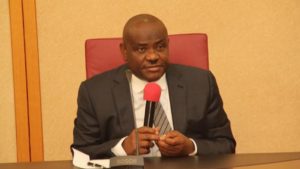
The recent confrontation in Abuja between the Mr. Nyesom Wike, Minister of Federal Capital Territory, and a younger Naval officer over a landed property belonging to a former Chief of Naval Staff, illustrates the persistent misuse of power.
On one side, the conduct of the FCT Minister, Mr. Wike, his language and demeanour was unbecoming of a senior public officer who should embody civility and restraint. Under the Constitution, the FCT is treated as a state. Section 299 applies the Constitution to the FCT as if it were a state of the Federation. Section 302 empowers the President to appoint a Minister who exercises delegated executive powers. Thus, FCTA officials are the legitimate agents of civil authority for matters like land administration and urban development.
However, Wike acted far beyond the bounds of his delegated powers by personally confronting what he termed “illegal occupation”. While he may lawfully revoke land titles through due process, it was unnecessary and improper for him to personally enforce compliance. At the very least, he should have notified the Inspector General of Police, since the matter constituted criminal trespass under Section 342 of the Criminal Code. Wike displayed raw power, not legitimate civil authority.
On the other side, the intervention of armed naval personnel in what was purely a civil enforcement matter exposed a deeper structural problem: military incursion into civilian space. The Constitution draws strict boundaries around the military’s role: Section 217(2)(c) permits deployment of the armed forces in aid of civil authorities only when called upon by the President and under conditions prescribed by law.
The military’s primary duty is external defence, not internal policing. Their presence at the scene was unlawful unless expressly authorized by the President. This intrusion represented a direct encroachment on civil authority and a dangerous echo of Nigeria’s authoritarian past.
Nigeria’s history is filled with leaders who rose with overwhelming power but fell with surprising speed. Across the First to Fourth Republics, presidents, governors, military rulers, and political powerbrokers have repeatedly mistaken power for authority, believing that the ability to command is the same as the legitimacy to lead.
Time and again, Nigeria has shown that when leaders rely on brute power and neglect the deeper roots of authority, trust, credibility, and moral legitimacy, they inevitably collide with the walls they built to protect themselves. Authority in Nigeria remains on trial, and the verdict has long been unforgiving.
The General Sani Abacha era stands out as a period marked by brutality, repression of dissent, and massive looting. General Ibrahim Babangida’s annulment of the 1993 election, Nigeria’s freest, demonstrated how absolute power can sabotage a nation’s destiny.
Evidently, democracy has not cured the problem as Governors, shielded by immunity, have dissolved state assemblies, obstructed anti-graft agencies, and weaponized patronage. Some have deployed police and other security agencies to settle political disputes, seize assemblies, block government houses, or intimidate opponents.
In Nigeria, and under democratic rule, Presidents have wielded “federal might” to cripple political rivals: from deploying soldiers during elections to withholding funds from opposition states. Under President Olusegun Obasanjo administration between 1999 -2007, Lagos State funds were seized. And more recently, the Tinubu administration’s actions in Osun and Rivers States.
When power confronts reality, the consequences are predictable: public distrust deepens, institutions weaken, policies fail through silent resistance, and leaders lose credibility and Nigeria drifts instead of developing.
History is replete with leaders who held immense power but lacked authority and paid dearly.
The Arab Spring toppled regimes in Tunisia, Egypt, and Libya from leaders who mistook obedience for loyalty. Muammar Gaddafi of Libya ruled through fear, but when fear dissolved, his regime collapsed violently. Hosni Mubarak of Egypt exercised power without legitimacy; when people rode against him in a nation-wide civil protest, his administration collapsed in a matter of days. Robert Mugabe wielded power in Zimbabwe for decades, but his authority eroded long before the military forced him out in 2017.
The USSR, despite being a global superpower built on surveillance and force, imploded from within due to lack of moral authority and citizen trust.
These widely known regime change and collapse across the globe, mirrored Nigeria’s experience; when power is not grounded in authority, crisis is inevitable.
Nigeria’s political system elevates leaders not through merit, integrity, or public trust, but through party structures, godfathers, and elite bargains. Once in office, many assume power equals legitimacy, only to learn the opposite. In Nigeria, power is easy to acquire while authority is hard to earn. The result is that people obey out of fear, not respect.
Power is the ability to act. Authority is the right to act. Power without authority is force without legitimacy. True authority converts power into service, protects the people, and strengthens the state.
Today, authority stands on trial in Nigeria, not in the courts but in the hearts of citizens who have endured decades of leaders confusing power with legitimacy. Nigeria’s progress depends not on the strength or force of those who govern, but on the trust they can earn.
The lesson from Nigeria and the world is clear: Power can secure the office, but only authority can secure the nation. Leaders who understand this build legacy; those who don’t, inevitably fall.
It is time for Nigerian leaders to move beyond coercion and embrace the deeper, more difficult task of earning authority. Only then can the nation escape its cycle of crises and begin the journey toward genuine transformation.
Kalu Okoronkwo is a communications strategist, a leadership and good governance advocate dedicated to impactful societal development and can be reached via kalu.okoronkwo@gmail.com

Thank you for offering such practical guidance.
운세가 긍정적으로 나와서 기분이 좋아졌어요.
Thank you — the troubleshooting tips saved me from major issues.
Hi there to all, for the reason that I am genuinely keen of reading this website’s post to be updated on a regular basis. It carries pleasant stuff.
استخدام مواد تشحيم مضادة للانسدادات في نقاط معينة من المواسير يساعد في منع تراكم الدهون وبالتالي يقلل من مصادر جذب الحشرات؛ نصائح عملية موجودة في دليل التسليك.
Your content always adds value to my day.
As Nigerians continue to grapple with the challenges of the indulgence of most government officials, what then could be the balm to heal the wounds already cancerous in the fabrics of the Nigeria State.
Intermittently, the country has been turned to a theater of very outdated drama in the eyes of the international community with brazen impunity that depicts absoluteness of power.
But how long shall we dwell in the missteps of majority of people that doesn’t really have any business being in Power.
Your writing is a true testament to your expertise and dedication to your craft. I’m continually impressed by the depth of your knowledge and the clarity of your explanations. Keep up the phenomenal work!
Master the 1Z0-1067-24 Oracle Cloud Infrastructure 2024 Cloud Operations Professional exam. Gain expertise in cloud operations, resource management, monitoring, and security to excel in modern OCI environments and careers.
Your blog is a breath of fresh air in the often stagnant world of online content. Your thoughtful analysis and insightful commentary never fail to leave a lasting impression. Thank you for sharing your wisdom with us.
Your blog has quickly become one of my favorites. Your writing is both insightful and thought-provoking, and I always come away from your posts feeling inspired. Keep up the phenomenal work!
Attractive section of content I just stumbled upon your blog and in accession capital to assert that I get actually enjoyed account your blog posts Anyway I will be subscribing to your augment and even I achievement you access consistently fast
My brother suggested I might like this website He was totally right This post actually made my day You cannt imagine just how much time I had spent for this information Thanks
Your blog is a beacon of light in the often murky waters of online content. Your thoughtful analysis and insightful commentary never fail to leave a lasting impression. Keep up the amazing work!
ارائه خدمات حرفه ای مخصوص احراز هویت و وریفای صرافی های بایننس و بای بیت و کوین بیس و اوکی ایکس و کراکن با مدارک معتبر توسط شوپی ویژه ایرانیان
من چندتا پروژه از گرافیسو سفارش دادم، ولی پاسپورت ترکیهش واقعاً خاص بود. جنس جلد، رنگ، و چاپ جزئیات داخلی بدون نقص انجام شده بود. مطمئنم هیچ جای دیگه نمیتونین همچین کیفیتی پیدا کنین. سرویس پاسپورت ترکیه گرافیسو نشون میده که این تیم چقدر حرفهای کار میکنه.
شاید فکر کنید رقیبتون چون ۱۰ ساله لینک اوله، دیگه نمیشه جاش رو گرفت. اما الگوریتمهای گوگل عاشق محتوا و سیگنالهای تازه و قدرتمند هستن. تیم سایتیگو با آنالیز دقیق ضعفهای رقیب، استراتژیای میچینه که حتی قویترین سایتها رو هم پشت سر بذارید. قدرتنمایی در برابر رقبا تخصص این تیمه. برای پایین کشیدن رقبا و صعود خودتون، از خدمات کسب رتبه ۱ گوگل و شکست رقبا استفاده کنید.
همیشه رقابت با سایتهایی که سالهاست لینک ۱ هستن ترسناکه. اونا اعتبار دامنه بالایی دارن. اما تجربه نشون داده با یک استراتژی آف-پیج (Off-page) تهاجمی و درست، میشه حتی غولهای بازار رو هم کنار زد. تیم ادزنو با این سرویس دقیقاً همین کار رو انجام میده و قدرت سایت شما رو به رخ رقبا میکشه. برای اینکه بالاتر از رقبا دیده بشید، راهکار شکست رقبای سرسخت در نتایج گوگل رو بررسی کنید.
https://askoff.ru
https://asklong.ru
associates degree early childhood education https://otvetnow.ru average home insurance premium
https://qtjpqhtfcs.wordpress.com
https://gxvkxeawwa.wordpress.com
https://azacgxicis.wordpress.com
https://akiwdiycje.wordpress.com
https://iqakruyprf.wordpress.com
https://hrjcdfdcvj.wordpress.com
https://jtgcuqvaay.wordpress.com
https://kddvjdpfpv.wordpress.com
https://repcgifctk.wordpress.com
https://kustcdxijq.wordpress.com
https://sqhfdjrquq.wordpress.com
https://yajxkakytu.wordpress.com
https://giidetrszs.wordpress.com
https://rjiurxiwgv.wordpress.com
https://gszvkhzgci.wordpress.com
https://htriehhxdy.wordpress.com
https://lyagcpfwpq.wordpress.com
https://tqjhrbjrzv.wordpress.com
https://ckbsqizjpk.wordpress.com
https://mjejtbdecc.wordpress.com
https://snduazsogv.wordpress.com
https://yjcftkejiq.wordpress.com
https://yrzssotfpy.wordpress.com
https://hbpjncswpf.wordpress.com
https://qpsldsrdaj.wordpress.com
https://mqhqxisngl.wordpress.com
https://apfkycjgfb.wordpress.com
https://ficcpnhwqv.wordpress.com
https://pufffrrowy.wordpress.com
https://omvrwwxyfa.wordpress.com
https://ddvjfrjvdf.wordpress.com
https://dvwoegfyew.wordpress.com
https://pmvneyjzqi.wordpress.com
https://lxlqgvngsw.wordpress.com
https://lquqmdmysv.wordpress.com
https://slgtnloguc.wordpress.com
https://vwknbtbavk.wordpress.com
https://gjslqfcuna.wordpress.com
https://iartkjcyht.wordpress.com
https://sjebkvanwa.wordpress.com
https://nyqbxvsrvz.wordpress.com
https://wkfgslyxlw.wordpress.com
https://ughaavseby.wordpress.com
https://ksemfakmni.wordpress.com
https://rujnwebqhm.wordpress.com
https://fanvuqkaud.wordpress.com
https://fanvuqkaud.wordpress.com
https://rqiemzolae.wordpress.com
https://scyhchvfkb.wordpress.com
https://annytarshw.wordpress.com
https://mxxpjxvlwe.wordpress.com
https://tzvpbpffwr.wordpress.com
https://rzyagpqmfu.wordpress.com
https://tntvgdepwl.wordpress.com
https://fszzejcvcq.wordpress.com
http://perfectbuilding.ru/user/aliciagreen/